• 6604cbd7wl
  • 6604cbd49a
  • 6604cbdmjj
  • 6604cbdm2i
  • 6604cbdb0a
Leave Your Message

Blog

How to Choose a Touchless Automatic Soap Dispenser in 2026?

How to Choose a Touchless Automatic Soap Dispenser in 2026?

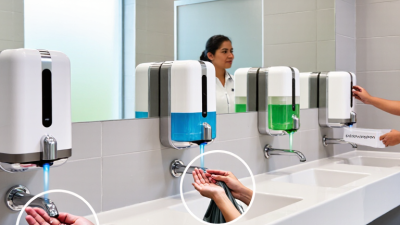
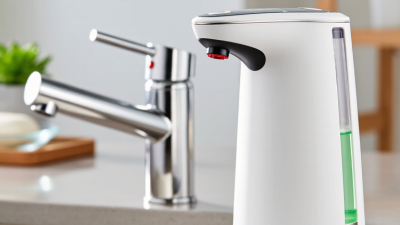
Okay, so if you're thinking about grabbing a touchless automatic soap dispenser in 2026, you can't just judge it by how it looks. I mean, sure, aesthetics are nice, but the real deal is in the day-to-day stuff: how fast the sensor reacts, how easy it is to refill, what kind of power it uses, and how much effort you'll put into cleaning it. You know, those little things that actually matter when you're using it. Like, a dispenser that's too slow to respond? That's a total buzzkill when you're in a hurry at a busy sink. And on the flip side, if the sensor is overly sensitive, it'll just squirt soap out when there's no hand in sight. That's just wasteful and annoying. So yeah, the small details really do count. Alright, so you're shopping for an automatic touchless soap dispenser? Well, this guide is all about making sure it actually fits your day-to-day life. Don't just glance at the specs – you need to check if the sensor works properly under your sink’s lighting, especially if it's dim or weird. And think about refilling – is the reservoir easy to get to and refill without a mess? Make sure it fits where you want it, on the counter or mounted on the wall. Also, you'll want to consider stuff like what kind of soap it takes, how long the batteries last, whether it can handle splashes, and if the warranty is actually clear or full of jargon. Yeah, specs are helpful, but they don't tell you everything about real-world use. So, let's dive into what really matters for homes, offices, and even those shared washrooms. In places where tons of people use them, you'd probably care more about how often you need to refill and how easy it is to fix things—the fancy look? Not so much. But if you've got a tiny bathroom, you might want to focus on something compact and quiet instead, right? So, when you're looking at automatic soap dispensers, the options are all over the place. Honestly, you can't just trust the fancy marketing stuff—you've gotta compare the actual features that matter. Sure, a product page might look super polished and convincing, but that doesn't mean it tells you everything you need to know. What you really want is something that'll work reliably week after week, not just on day one. So take your time, dig into the details, and pick one that feels solid for the long haul.
Read more »
Sophie By:Sophie - November 17, 2026
Why Is My Soap Dispenser Not Dispensing Liquid?

Why Is My Soap Dispenser Not Dispensing Liquid?

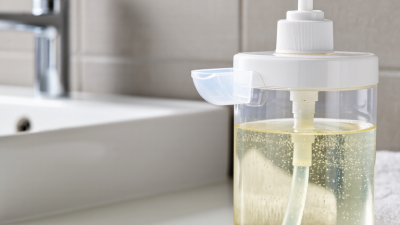
You know that annoying moment when your soap dispenser just decides to give up? Suddenly a quick handwash turns into a sticky little mess. You press the pump, hear that click, and... nothing. Or maybe one sad drop of soap. Yeah, it happens. But before you toss it and head to the store, there are a few basics worth checking real quick. Is the reservoir actually filled? What about the pump head—does it move freely? And take a peek at the nozzle opening too. Sometimes dried soap builds up around the tip and clogs the whole flow, while a loose tube underneath could mean the liquid never even makes it to the pump. Honestly, a two-minute check can save you from buying a new one. Honestly, it's so easy to overlook these little things, especially when the dispenser is sitting right next to a sink that's always in use. You know, the kind of liquid soap you put in your dispenser actually matters more than you'd think. Some pumps just can't handle certain soaps—whether it's too thick, watered down, or designed for a totally different thing. The trick is to make sure your [Liquid Soap For Soap Dispenser](https://www.ainlevahome.com/liquid-soap-for-soap-dispenser) is a match for what the pump was built for. And if you're ever scratching your head, just glance at the label on the bottle—it usually spells it out. Hey, so you're dealing with a dispenser that won't dispense? That can be a real headache. First off, you can rinse off the removable parts – a good rinse might clear up any gunk, but whatever you do, don't try to force a clogged pump or go in with sharp tools – you'll just end up doing more damage. It's not always an easy fix, I'll be honest. But this guide here will walk you through the common reasons why a dispenser might be acting up, plus some simple checks you can try on your own. And we'll also talk about when you might need to replace the pump altogether. A slow pump is frustrating, right? And the cause isn't always obvious – it's like a mystery. So here's a tip: pay attention to what changes after each little check you do. That small observation can save you from repeating the same failed fix, trust me.
Read more »
Sophie By:Sophie - November 13, 2026
How to Choose the Best Soap Dispenser Liquid in 2026?

How to Choose the Best Soap Dispenser Liquid in 2026?

Honestly, picking the best soap dispenser liquid in 2026 isn’t just about the scent or the price. You also have to think about how smoothly it flows, how cleanly it rinses off, and whether it actually suits the dispenser you’re using. If a refill is too thick, it can clog the pump. Too thin? Well, you’ll probably end up with wet counters. Look, the whole hand hygiene thing is still a huge deal. The WHO and UNICEF keep track of this stuff—they reported that back in 2022, around 2.3 billion people didn't even have basic hygiene services at home. That's like, a third of humanity. And the CDC also points out that simply washing your hands can cut down respiratory infections by about 20%. Now, I'm not saying this means one specific soap is the best—that's not the point. What it does show is that having reliable access to soap really matters. Dr. ... well, you get the idea. You know, Elaine Larson—she’s a researcher who studies infection prevention—has this quote that gets shared all the time: “Handwashing is the single most important means of preventing the spread of infection.” And honestly? It’s hard to argue with that. When you're picking out liquid soap for a dispenser, there are a few practical things you'll want to look into. First, make sure the pump actually fits your dispenser – that's a big one. Then, think about how easily the liquid comes out – you don't want something that's a pain to use. And don't forget to skim the ingredient list if you have sensitive skin. Also, consider whether your dispenser needs foaming or non-foaming soap – they're not interchangeable. Honestly, Liquid Soap For Soap Dispenser isn't a one-size-fits-all thing. Sometimes a little refill test can reveal issues that the label just won't tell you. Give it a try before committing. Okay, so a nice scent, some foamy lather, and a shiny bottle? Don't get me wrong—those are nice to have. But they don't really tell you if a product actually works. That's why we've put together this guide—to help you zero in on the details that really matter before you settle on a formula for your home, office, or even the public washroom in 2026.
Read more »
Charlotte By:Charlotte - November 10, 2026
Why Choose a Hand Sensor Soap Dispenser for Your Business?

Why Choose a Hand Sensor Soap Dispenser for Your Business?

Think about a busy restroom for a second—it’s often the little things that shape how people feel about your place. A sensor soap dispenser, for instance, gives you soap without making you touch that shared pump. Just a quick, no-contact squirt. Honestly, that alone can make handwashing feel way less annoying, especially if your hands are wet or lugging stuff. And for the staff? If the refill is easy to access and the soap level is visible, it makes their routine checks a whole lot simpler. Look, it’s not gonna solve everything. You still have to put the sensors somewhere sensible, keep them powered or battery-fed, and wipe them down on the regular. And honestly, if the dispenser doesn’t catch a hand or runs out of soap, people are gonna get annoyed. As Maya Chen — a fictional hand-hygiene systems consultant I totally made up for this — puts it: “Touch-free dispensing works best when refills are reliable and maintenance stays simple.” Just so we’re clear, that’s not a real quote from a real expert. When you're weighing a sensor hand soap dispenser against a manual one, there's a bit more to consider than just looks. Think about how many people will actually use it each day, what mounting options work for your space, whether refills are easy to find, and, honestly, how much time you want to spend cleaning it. And don't just read the specs—try the sensor right at the sink. You don't want to be waving your hand around like an idiot and getting nothing. Also, make sure the staff can refill it without needing a toolbox. Sure, a polished fixture looks nice, but if it doesn't work when people actually need it, pretty doesn't count for much. Honestly, the right choice really depends on your space, your budget, and how much upkeep you’re willing to handle—so don’t rush it, give that a good think before you commit to buying.
Read more »
Charlotte By:Charlotte - November 6, 2026
Why Choose an Electric Hand Soap Dispenser?

Why Choose an Electric Hand Soap Dispenser?

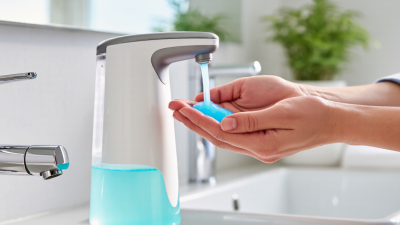
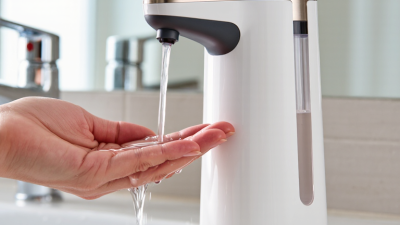
You know that familiar sink routine? An Electric Hand Soap Dispenser can make it feel a little cleaner and more controlled. Just wave your hand and the sensor pump releases soap—no touching that shared pump head. It’s a small change, but it can genuinely matter in busy kitchens, family bathrooms, clinics, or office washrooms. Is it universally convenient? Maybe not. But the convenience is definitely real. Honestly, picking one isn't about finding the newest, coolest gadget—it's more about what actually fits your space and habits. You need to think about things like the soap you'll use, how easy the refill opening is, whether you can get to the batteries without a fight, and how much room there is beside the faucet. Thick soap can be a pain in some models, dispensing unevenly and making a mess. And if your counter is narrow, a big dispenser can feel really awkward. It's also a good idea to check whether the manufacturer specifies compatible soap and cleaning steps. Those simple details count more than you'd think. Oh, and a low-battery indicator? Definitely worth it—it can save you from running out of soap on a rushed morning. Honestly, a good soap dispenser just needs to do its job: give you the same amount every time, react when you put your hand under it (no frantic waving), and not leave a gross drip trail around the nozzle. When gunk builds up there, wipe it off before it turns into cement. And when you’re shopping, pay attention to things like clear instructions, customer support you can actually reach, and whether replacement parts are sold separately — that matters way more than fancy claims about saving soap or killing germs. But even the best one can be finicky depending on the sensor, the kind of soap you use, and how often you clean it. So, yeah. Worth remembering. So, why do people actually go for an electric hand soap dispenser? What features are worth paying attention to? And when does a plain old manual pump make more sense? This guide digs into all of that—plus the day-to-day upkeep, long-term value, and the usual trade-offs you’ll run into. Here’s the thing: there’s no single perfect option. A great dispenser can make washing your hands way more convenient, but only if it actually fits the sink and works for the people using it.
Read more »
Charlotte By:Charlotte - November 2, 2026
Why Choose a Hands Free Hand Soap Dispenser?

Why Choose a Hands Free Hand Soap Dispenser?

You know, it’s kind of wild that something as simple as washing your hands can make such a big difference for public health. The CDC actually estimates that handwashing could prevent around 30% of diarrhea-related sicknesses and maybe 20% of respiratory infections. That’s a pretty big deal—and it’s exactly why having soap around, whether at home, at work, or in public restrooms, matters so much. Honestly, a hands-free hand soap dispenser can really cut down on all those times you end up touching a shared pump—especially if it’s sitting next to a busy sink. But let’s be clear: it doesn’t replace proper washing. Technique still matters, maybe even more. Dr. Boyce and Dr. Pittet—two big names in infection control—wrote a widely cited guideline that basically calls hand hygiene 'the single most important measure for preventing the transmission of pathogens in health-care settings.' Pretty strong words, right? Now, they weren't talking about any specific dispenser; the advice is about hand washing in general. But it still gives you a good frame of mind when you're picking out equipment. A touch-free dispenser, for instance, lets you get soap with just a wave of your hand. No need to touch a pump that who knows how many people have touched before you. Pretty convenient, if you ask me. Just because something’s more convenient doesn’t automatically mean it’s any cleaner, you know? Okay, when you're comparing dispensers, don't just glance at the specs—get into the nitty-gritty. How does the sensor actually respond? Will refills be easy to find down the road? Does it dispense consistently, or is it more of a gamble? And, ugh, cleaning: is it a hassle? Because if a unit sputters, runs out of soap constantly, or fights you every time you try to maintain it, people are going to get annoyed—and then it stops helping anyone. Sure, the CDC says to use soap and clean running water and scrub for at least 20 seconds. A dispenser can support that habit, but it can't force it. That's a subtle point, and honestly, it's easy to miss. Honestly, the right pick comes down to traffic, installation, and upkeep—not just whether it says 'hands-free' on the box.
Read more »
Sophie By:Sophie - October 30, 2026
2026 Best Automatic Wall Mount Soap Dispenser?

2026 Best Automatic Wall Mount Soap Dispenser?

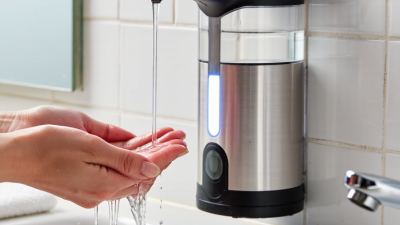
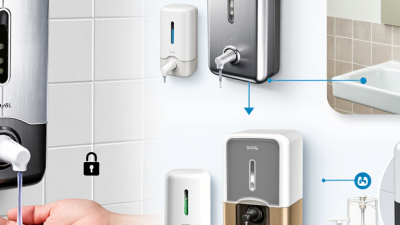
Picking the best wall-mounted automatic soap dispenser for 2026? It’s not just about comparing those sleek product photos. The real test happens right next to a busy sink—where wet hands, soap residue, and constant use will show you pretty fast which designs just don’t hold up. Honestly, a good Wall Mount Automatic Soap Dispenser should do a few simple things: give you just the right amount of soap, kick in within a second, and not leave a drippy mess after it goes off. As Professor Didier Pittet—a pretty well-known expert on hand hygiene—puts it, “Hand hygiene is the most important measure to avoid the transmission of harmful germs.” That’s a useful reality check for this review, honestly. Touch-free dispensers can certainly cut down on shared contact, sure—but they’re no substitute for washing your hands properly or keeping things cleaned on a regular basis. We’re going to look at sensor accuracy, refill capacity, battery life, how strong the mounting is, and what kind of maintenance it needs. Because a dispenser can work great for a week and then get flaky once foam starts collecting on the sensor window. That little detail matters. Same goes for the refill opening—especially for cleaning crews who are dealing with several washrooms at once. So how do we actually evaluate these things? We start with the manufacturer's specs, then add our own hands-on impressions, and finally see how they hold up in real bathroom conditions. That means testing dispensers by bright windows, in dim light, and with lots of quick repeated use. And honestly? Some results probably won't be pretty. But that's kind of the point—it's useful to know. Honestly, no product’s perfect. Even a premium model can end up wasting soap if it dispenses way too much at once. And sure, a cheaper unit might be great value—but you may find yourself swapping batteries more often than you’d like. That’s what this guide is here for: we compare the trade-offs in a clear, straightforward way so homes, offices, clinics, and hospitality spaces can pick a dependable wall mount automatic soap dispenser for 2026.
Read more »
Charlotte By:Charlotte - October 25, 2026
How to Choose a Hand Sensor Soap Dispenser

How to Choose a Hand Sensor Soap Dispenser

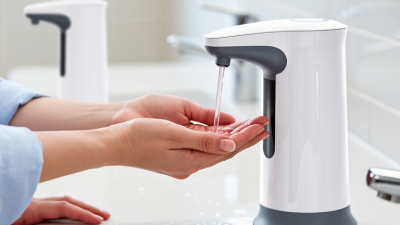
Choosing a Hand Sensor Soap Dispenser is not simply a matter of selecting the most attractive bathroom accessory. The right model should respond quickly, dispense a practical amount, and remain dependable beside a busy sink. A reliable sensor can reduce shared contact points, while a stable base prevents spills on wet countertops. These small details affect daily hygiene more than a glossy product photo suggests. When comparing a Sensor Hand Soap Dispenser, examine its detection range, dispensing volume, refill opening, and battery access. A dispenser that releases too much soap may waste supplies and leave sticky residue. One that releases too little can frustrate users and encourage repeated activation. Touchless performance also depends on lighting, hand position, soap thickness, and regular cleaning around the sensor. Manufacturer instructions and tested product specifications deserve more trust than vague claims. Real use can expose weaknesses. Some units feel excellent during the first week, then become inconsistent when the soap level drops. No dispenser is perfect. That matters. Consider the room, user traffic, countertop space, and maintenance habits before choosing. For a family bathroom, quiet operation and simple refilling may matter most. In a restaurant or office, durability and quick servicing deserve greater attention. A careful choice balances hygiene, convenience, operating cost, and long-term reliability.
Read more »
Lila By:Lila - October 20, 2026
How to Choose the Best Plastic Liquid Soap Dispenser?

How to Choose the Best Plastic Liquid Soap Dispenser?

Picking the best plastic soap dispenser? Honestly, it’s not just about colors, prices, or what the pump looks like. A reliable liquid soap dispenser — the plastic kind — should give you clean dosing, easy refilling, and steady day-to-day use. In a busy bathroom, those little details really matter. A smooth pump means less hand pressure. A wide opening helps you avoid messy spills. And a clear bottle lets you see when soap is running low. Material choice deserves a closer look. Good polypropylene or PET plastic can offer solid durability and practical clarity. Still, not every Plastic Liquid Soap Dispenser performs the same. Check wall thickness, how the pump is built, closure strength, and whether it holds up to common liquid soap formulas. Experienced buyers also watch how it behaves after repeated pressing. Does the pump come back smoothly? Does soap drip around the nozzle? Small faults can get annoying fast. Design matters, too. A countertop model works well for homes, clinics, and guest areas. A wall-mounted dispenser can save space and cut down on accidental knocks. The best pick depends on traffic, cleaning routines, how often you refill, and who’s using it. Professional suppliers should give you clear specs, consistent samples, and dependable quality-control info. Product testing and manufacturer guidance help, sure — but they shouldn’t replace a good hands-on inspection. We sometimes get too focused on looks. That’s an easy mistake. A stylish bottle might still waste soap or end up with a weak pump. This guide walks through the key factors, so readers can choose a hygienic, durable, and convenient dispenser with fewer unpleasant surprises.
Read more »
Sophie By:Sophie - October 16, 2026
How to Choose a Wall Liquid Soap Dispenser?

How to Choose a Wall Liquid Soap Dispenser?

Picking a Wall Liquid Soap Dispenser isn’t just about whether it matches your bathroom colors. Honestly, the right one needs to do a few bigger jobs: support hygiene, run reliably, and not be a pain to maintain. Think about a busy office restroom—people might hit that dispenser hundreds of times a day. If the pump is weak, the nozzle is too narrow, or the wall plate comes loose, it’ll get annoying fast. First, look at where it’s going and how much traffic it’ll get. A compact dispenser can be fine for a private washroom. But schools, clinics, restaurants, and commercial facilities usually need a bigger refill container. Also check the soap’s viscosity before you buy. Thick liquid soap can clog a pump that was meant for thinner formulas. It’s a small detail, and yeah, it’s easy to miss. Material matters too. Stainless steel, ABS plastic, and reinforced polymer all have their pros. Stainless steel looks durable and professional, but it can show fingerprints. Plastic is lighter and often easier to install. You’ll want a sealed pump, a clear level window, and a refill opening that doesn’t dump soap all over the sink. That last one? Trust me, it matters. Don’t skip installation planning. Check the wall surface, mounting height, clearance, and how you’ll fix it in place. Follow the manufacturer’s instructions instead of guessing. Accessibility guidance and facility requirements might affect placement too. A lockable design can help reduce tampering, though it can slow down routine refilling. A dependable Wall Liquid Soap Dispenser should be easy to refill, clean, inspect, and repair. But let’s be real—no product is perfect. Pumps wear out eventually, and people will leave residue around the nozzle. So compare actual maintenance needs, warranty terms, and supplier support. That way, an attractive purchase doesn’t turn into an expensive mistake.
Read more »
Charlotte By:Charlotte - October 12, 2026
Why Choose an Auto Liquid Soap Dispenser?

Why Choose an Auto Liquid Soap Dispenser?

So, an Auto Liquid Soap Dispenser can make everyday hand hygiene a lot cleaner and more convenient. It gives you soap without having to touch a pump—which honestly matters in busy bathrooms, kitchens, clinics, offices, and hospitality spots. You just put your hand under the sensor, and a measured dose comes out within seconds. Sounds simple, right? But thoughtful design is what really makes the difference. From what I’ve seen, reliable performance isn’t just about automatic dispensing. Sensor range, liquid viscosity, battery life, refill capacity, and nozzle design all affect daily use. A model that works great with thin soap might struggle with thicker formulas. Clear refill windows help staff spot low levels before the dispenser quits on them unexpectedly. Sealed compartments also make cleaning around the sink easier. Yep, small details matter. That said, no dispenser is perfect. Sensors can misread movement, batteries can weaken, and heavy traffic can quickly expose weak construction. That’s where professional evaluation helps. Buyers should look at manufacturer specs, maintenance guidance, material quality, and independent user feedback. They should also think about accessibility, installation height, and the needs of children or older adults. Convenience shouldn’t replace judgment. A well-chosen Auto Liquid Soap Dispenser can reduce shared contact points and encourage more consistent soap use. It might even improve the look of a washroom with fewer spills and cleaner surfaces. The best choice balances hygiene support, dependable operation, simple maintenance, and long-term value. A fancy feature is nice, but dependable performance matters more.
Read more »
Charlotte By:Charlotte - October 7, 2026
7 Best Plastic White Soap Dispensers for Global Buyers

7 Best Plastic White Soap Dispensers for Global Buyers

Picking out the right Plastic White Soap Dispenser isn’t just about color, price, or the shape of the pump. There’s a lot more to consider, especially when you're shopping from abroad. You want to look at the quality of the materials—made sure it’s sturdy enough? Refill capacity is also key, along with how it mounts and how easy it is to clean. Sometimes, a dispenser might look super sleek in a product photo but then feel kinda flimsy when you use it in a busy bathroom. We’ve all been there, right? Dr. Elaine Larson, a big name in hand hygiene research, really hits the nail on the head when she says, “Hand hygiene is the single most important way to prevent infection.” That puts this whole product category into real perspective. So, a good Plastic White Soap Dispenser should be able to handle frequent use—no leaks, no clogs, and definitely not creating extra mess or waste. And those smooth surfaces? They just make cleaning so much easier. The clear level windows are helpful too—staff can see when it’s time to refill, before it runs out completely. It’s those little details that actually make a difference day-to-day. In this guide, we’re looking at seven different white plastic dispensers that are available internationally. We’e covered wall-mounted options, countertop styles, manual pumps, sensor-activated models, refill mechanisms, and how many people they can serve. Also, keep in mind, one model might work perfectly in a quiet office but could fall short in busier places like schools, hotels, clinics, or restaurants. Sometimes it’s easy to overlook those differences. No product list is flawless, of course. Variations in plastic hardness, pump responsiveness, or even packaging protection can happen across different batches. It’s wise to ask for samples, check out the closures, and confirm all the technical details before you commit to buying a bunch. Where you plan to install the dispenser also matters—things like exposure to water, temperature, cleaning routines, and how many hands use it daily all play a part in what’s best. The cheapest or most eye-catching option isn’t always the most reliable. Often, the best choice is the one that keeps working smoothly after repeated use, no matter what.
Read more »
Lila By:Lila - September 30, 2026
Top 10 Electric Hand Soap Dispensers for Global Buyers

Top 10 Electric Hand Soap Dispensers for Global Buyers

Picking out an electric hand soap dispenser isn’t just about matching some finish to your bathroom decor. There's actually quite a bit more to think about. Things like how quick the sensor responds, how easy it is to refill, what kind of power it uses, and how much soap it dispenses each time—those little details can make a big difference. For example, something that works smoothly in a quiet home might have a rough time in a busy hotel lobby where dozens of hands are reaching for soap every hour. Small things matter — like whether the sensor works through sleeves, if you can open the refill cap without tools, or if the base stays steady on a wet countertop. All these little features really influence how easy it is to maintain and how users experience the dispenser day to day. Maya Chen, a product engineer, sums it up pretty well: “A dependable dispenser should make handwashing easy, not turn into some complicated tech puzzle for users.” Now, just a heads-up — that’s more of a general design idea than a quote from a formal interview. For those of us shopping from around the world, it’s also smart to consider how clear the specs are, whether replacement parts are easy to find, and if it supports your local power requirements. Having good documentation helps a lot, and testing a sample before buying in bulk is definitely worth the time. The comparisons ahead highlight the practical strengths and trade-offs across some of the top models — things like how tricky they are to install, their capacity, how consistently they dispense soap, and how much upkeep they need. Of course, no one-size-fits-all—some folks might prefer a smaller, more compact dispenser, even if they need to refill it more often, while others are okay with regular refills if it means easier cleaning. The goal here is to lay out all those options clearly, but keep in mind: specs are helpful, but nothing beats testing a real unit to see how it performs in your space.
Read more »
Lila By:Lila - September 25, 2026
2026 Top Hand Sensor Soap Dispenser Suppliers?

2026 Top Hand Sensor Soap Dispenser Suppliers?

The market for Hand Sensor Soap Dispensers in 2026 is getting pretty competitive. Today’s buyers aren’t just looking for something that works—they’re paying attention to hygiene performance, how accurate the sensors are, how much soap you can refill, and how much maintenance costs. And of course, touchless operation really matters, especially in places like hospitals, hotels, restaurants, schools, and busy transit hubs. Sometimes, it’s those small details that make all the difference for long-term value. According to reports from the WHO and UNICEF’s Joint Monitoring Programme, back in 2022, about 2.3 billion people still didn’t have basic handwashing facilities at home. That really highlights why having practical hygiene infrastructure is so crucial. On top of that, research from Fortune Business Insights and Grand View Research points out that touchless dispensing and automation are major drivers for growth in the broader automatic dispenser market. But, just because a report says something’s hot doesn’t mean every supplier delivers the same quality. These findings actually give us a pretty clear direction of where things are headed. Dr. Elaine Larson, an expert in infection prevention, reminds us that “handwashing is the most important way to stop the spread of infection.” That’s a principle that still holds true when looking at top brands like GOJO Industries, Sloan, Bradley Corporation, and TOTO. A good sensor soap dispenser needs to react quickly, control the amount of soap dispensed, and resist false triggers—especially around wet sinks. Plus, it should be easy to refill without making a mess on the counter. Of course, no ranking is perfect. Factors like product availability, regional service support, and firmware updates can change pretty fast. And some claims from suppliers definitely need a closer look. In this guide, we’ve evaluated 2026 options based on specs, user experience, ease of installation, and after-sales support. Keep in mind, the best sensor soap dispenser might not be the cheapest—they’re the ones that can keep performance steady when hundreds of hands use them every day. All in all, selecting the right one is about more than just price—it’s about reliability and consistent performance over time.
Read more »
Charlotte By:Charlotte - September 21, 2026
10 Best Touchless Soap Dispensers for Global Buyers

10 Best Touchless Soap Dispensers for Global Buyers

Picking the right Touchless Soap Dispenser isn’t just about comparing prices or looking at shiny product photos. There’s more to consider! For folks shopping from around the globe, things like hygiene, reliability, ease of installation, and long-term running costs really matter. Sure, that fancy dispenser might look super impressive online, but if it struggles with thick soap or drains your batteries quickly, it can be a real pain. That’s why actually testing these things gets pretty important. In this guide, I’ve rounded up ten top options suitable for homes, hotels, restaurants, offices, schools, and healthcare settings. I’ll walk you through the key factors to look out for—like how fast the sensor responds, how accurate the dispensing is, refill capacity, battery life, waterproof features, and how easy it is to access for maintenance. Basically, a good dispenser should squirt out soap quickly without dripping or going off by itself—that tiny detail really can make all the difference. We also look at different styles, like wall-mounted versus countertop models, because installation conditions aren’t one-size-fits-all. Some of you might only need a compact 250-milliliter tank, while others in busy washrooms might need a bigger one. Don’t forget about soap compatibility! Foaming soap and liquid soap aren’t always interchangeable, and choosing the wrong one could mean disappointment or malfunction. Plus, buying from around the world introduces more questions. Things like voltage compatibility, quality of materials, warranty coverage, spare parts, and regional certifications are worth checking out before clicking that purchase button. Specs can change from one market to another, and it’s easy to overlook these little details. Of course, no buy is perfect. Sensor sensitivity can be affected by lighting, hand placement, or even temperature. Battery life estimates are generally optimistic, not guaranteed. So, I’ve tried to balance what manufacturers say with real-world user concerns. The goal here is to help you make a smarter choice, keeping in mind that the best dispenser for you really depends on your specific space, how you plan to use it, and how you’ll maintain it over time.
Read more »
Charlotte By:Charlotte - September 18, 2026